
Escalating military aggressions in the Middle East over the past week have once again exposed the fragility of the global trading system. Cross-border strikes, retaliatory attacks and airspace restrictions have rattled confidence in one of the world’s most strategically sensitive regions. Airlines have diverted or suspended routes. Shipping operators are reassessing risk exposure. Insurance premiums have risen.
Even without a formal declaration of war, markets react.
Trade runs on predictability. When confidence in key corridors falters, disruption travels quickly – from logistics to liquidity to long-term investment decisions. What we are witnessing is not a single shock but a sequence of interconnected stresses moving through the system.
The first domino is logistical. Airspace closures have forced carriers serving Europe, Asia and Africa to reroute around restricted zones, extending flight times and increasing operating costs. African routes that rely on Middle Eastern hubs for connectivity are experiencing schedule distortions and cargo delays. What appears to be a regional military confrontation becomes, almost instantly, a global supply chain adjustment.
The second domino is financial. Longer transit times tie up working capital. Higher insurance and fuel costs compress margins. Currency volatility complicates trade settlement. For exporters in emerging markets, these cumulative pressures can quickly erode competitiveness.
The third domino is strategic. Boards are reassessing exposure to concentrated trade corridors and single points of failure. Procurement teams are questioning assumptions that underpinned decades of hyper-efficient globalisation. Investors are embedding geopolitical modelling alongside financial forecasts.
This layering of risk distinguishes the present moment. The world has endured oil shocks, financial crises and pandemic paralysis. What feels different now is simultaneity: tariffs re-emerging as industrial policy, assertive foreign policy among major powers, supply chains still recalibrating post-Covid — and now intensified military confrontation adding another layer of uncertainty.
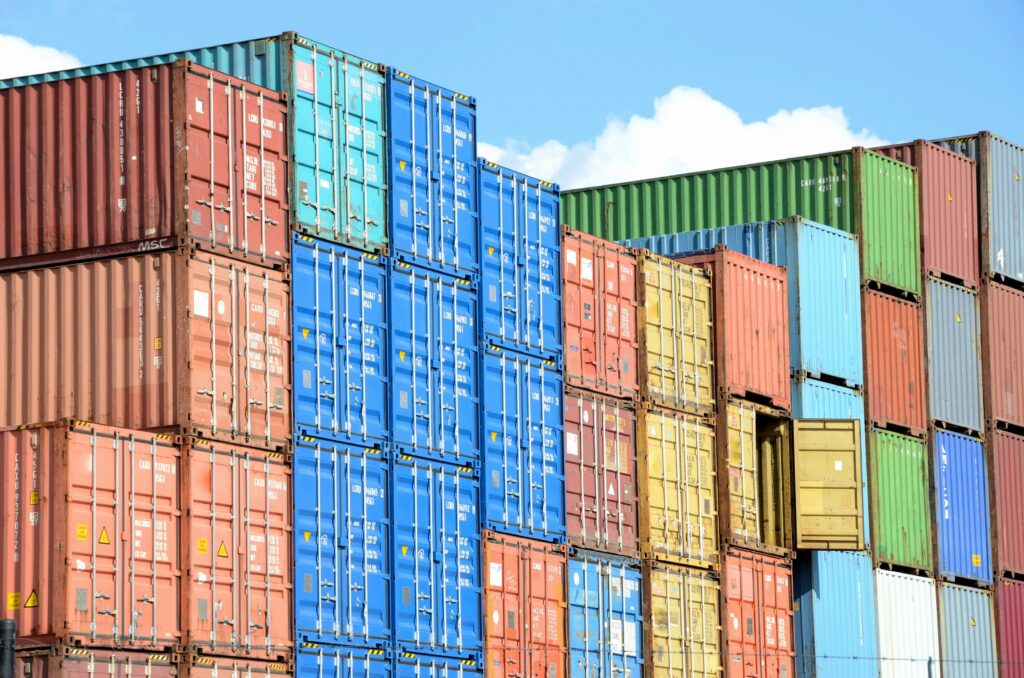
The result is a repricing of global risk.
For decades, competitiveness meant scale, speed and cost efficiency. Production concentrated in a handful of hubs. Trade corridors were assumed reliable. Political risk was a background variable.
Today, optionality is becoming the defining metric of resilience.
Companies are not retreating from globalisation; they are redesigning it. Diversification of suppliers, regionalisation of manufacturing and dual-corridor logistics planning are no longer theoretical exercises. They are board-level imperatives.
This shift raises a pivotal question for Africa.
In theory, a world seeking diversification should favour emerging markets with scale potential and demographic momentum. But this moment is not simply about what Africa lacks. It is increasingly about what Africa is building.
Across the continent, major infrastructure upgrades are reshaping trade possibilities. The expansion of ports such as Lekki Deep Sea Port in Nigeria, the modernisation of Mombasa and Dar es Salaam, and Morocco’s Tangier Med becoming one of the Mediterranean’s largest container hubs signal serious intent. Rail corridors are improving inland connectivity in East Africa. Logistics digitisation is accelerating customs processing in several jurisdictions. Special economic zones are being repositioned to integrate manufacturing with port access.
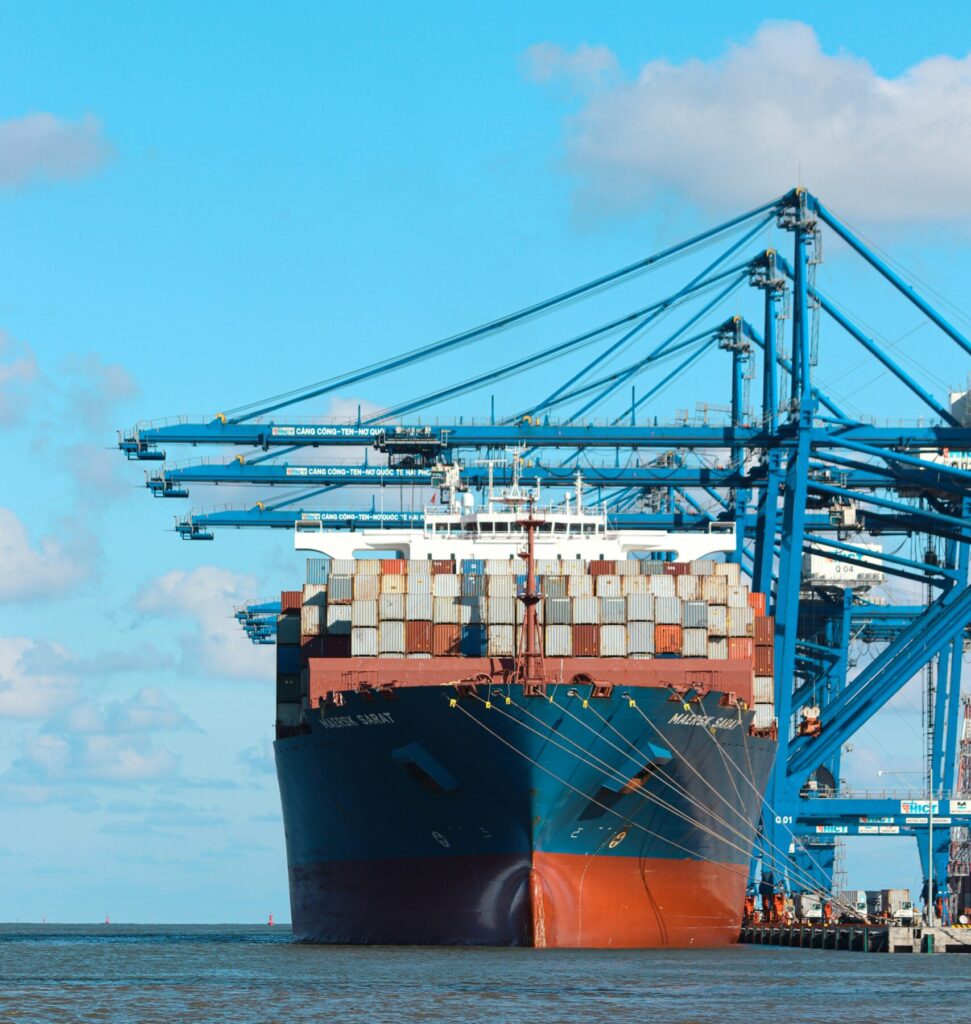
These developments matter.
When global companies reassess corridor risk, they look for alternatives with credible infrastructure. If Gulf or Levant airspace becomes volatile, East and North African aviation hubs can position themselves as stabilising transit points — provided capacity and regulatory coordination match ambition. If manufacturers diversify away from over-concentrated supply chains, proximity to European markets gives North and West Africa strategic relevance.
The African Continental Free Trade Area provides an additional layer of opportunity. By reducing intra-continental tariffs and harmonising trade frameworks, it offers the prospect of regional value chains that reduce dependence on distant nodes. A textile producer in West Africa supplying regional markets is less exposed to long-haul volatility than one dependent solely on transcontinental routes.
In my experience advising companies entering African markets, investors are not deterred by risk alone. They are deterred by unpredictability. When infrastructure improves, customs processes digitise and regulatory frameworks stabilise, risk becomes manageable. Capital flows where systems function.
The current military escalation in the Middle East is therefore not simply a threat; it is a catalyst. It accelerates decisions that were already under consideration. It forces companies to map alternative routes, alternative suppliers and alternative growth markets.
Africa’s opportunity lies in presenting itself not as a hedge against instability elsewhere, but as a strategically reliable node within a reconfigured global system.
This is not about opportunism in the face of crisis. It is about preparedness. Ports must operate efficiently. Airspace management must be coordinated. Energy supply must be reliable. Trade finance ecosystems must deepen. Regional integration must move from communiqué to implementation.
Globalisation is not collapsing; it is evolving into a more fragmented but more deliberate architecture. Political analysis now sits alongside financial modelling. Corridor resilience matters as much as cost advantage.
The dominoes are in motion. Some will fall. Others will be repositioned.
The question for Africa and indeed for every trading nation — is whether it will wait for stability to return, or build the systems that make it indispensable when it does.